Is Your Body Working Against You? The Truth About Weight Loss After 40

Picture the same breakfast every morning. Same walk around the neighborhood. Same jeans you wore at thirty-five.
Then one day, they don't button. The scale says you're up twelve pounds, and you can't explain why.
Sound familiar? You're not lazy, and you're not imagining it. Weight loss after 40 plays by different rules.
Your body changed. Your muscle, hormones, sleep, and stress all shifted, often at the same time. The plan that worked in your twenties won't work the same way now.
Let's break down what's really going on, how it differs for women and men, and what actually helps.
Weight Loss After 40 Notes
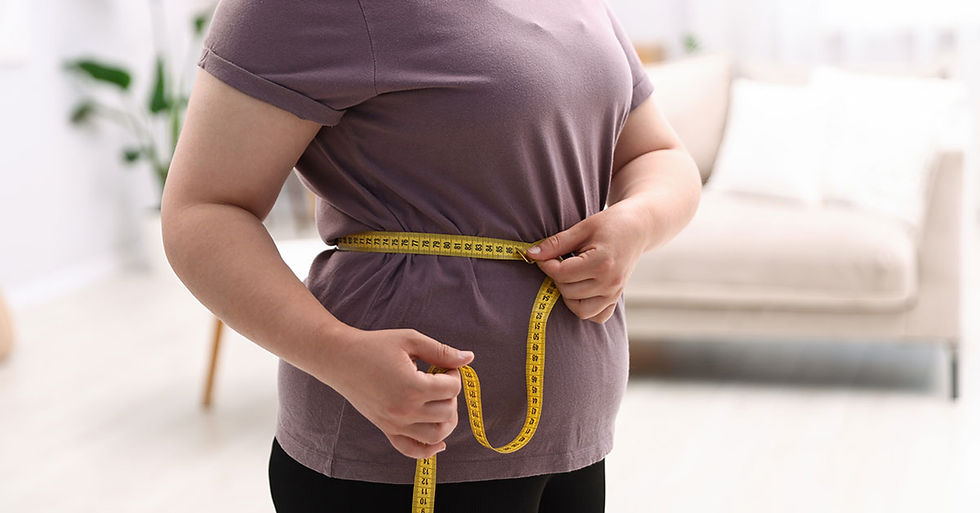
Weight loss after 40 is harder because muscle, hormones, sleep and stress all shift at once.
Losing muscle means your body burns fewer calories at rest.
For women, falling estrogen moves fat toward the belly, even when the scale barely moves.
For men, a slow drop in testosterone makes belly fat easier to gain and harder to lose.
Eating less and exercising harder often backfires after 40.
Medical weight loss after 40 treats the biology behind stubborn weight, not just willpower.
NJ Weight Loss Center in Hazlet offers a free consultation with a board-certified physician.
Why Is Weight Loss After 40 Different From Weight Loss in Your 20s and 30s?
Weight loss after 40 is harder because your body burns fewer calories, stores fat differently, and handles stress differently than it used to. It's not one thing. It's several small changes stacking up.
Your Muscle Quietly Slips Away
Muscle is your body's calorie-burning engine. It burns energy even while you sit on the couch.
Starting in your thirties, most adults slowly lose muscle each decade. Less muscle means a lower daily burn. You can eat exactly what you ate at thirty and still gain weight.
Fat Moves to New Places
After 40, fat tends to settle around the midsection. This isn't just about how your clothes fit.
Belly fat is linked to high blood pressure, prediabetes, and heart disease. That's why a physician with a cardiology background looks at more than the number on the scale.
Life Gets Louder
Your forties often bring a full plate. Careers, kids, aging parents, and shorter nights all pile up.
Poor sleep and constant stress drive cravings and make consistent eating harder.
Even meal timing affects the hormones that control hunger and fullness.
How Do Hormonal Changes Impact Weight Loss for Women Over 40?
For women, the biggest shift in weight loss after 40 is estrogen. During perimenopause and menopause, estrogen levels drop. That changes how and where the body stores fat.
What the Research Shows
A large ZOE study found that menopause brings major metabolic changes linked to excess weight and higher heart disease risk. Women in the study also ate more sugar and slept worse.
Here's the key detail. These changes were independent of age. In other words, menopause itself was the likely cause, not just getting older.
The numbers back up what many women feel.
A 2025 research review notes that clinicians often see healthy women gain five to fifteen pounds during this stage despite disciplined habits. The Nurses' Health Study found an average gain of 6.8 pounds over eight years during the menopause transition.
The Honest Take
Here's some nuance. A recent clinical review found that total body weight doesn't appear to spike at menopause itself. The bigger change is where fat goes. It moves to the belly.
So be skeptical of "menopause belly" supplements and quick-fix programs online. Weight loss after 40 for women is a medical issue. It deserves a medical answer.
Weight Loss After 40 for Men: The Testosterone Factor
Men face a slower hormone shift, but it adds up over time. Testosterone declines gradually with age. Obesity, inactivity, and a poor diet can speed that decline.
According to Integris Health, lower testosterone is linked to more belly fat, even without changes in diet or exercise. It can also make losing weight difficult despite steady effort.
Guys, this part is for you. Many men brush off fatigue, low energy, and a growing waistline as "just getting older." But weight loss after 40 for men often depends on catching these signs early.
Extra belly fat also raises your risk for high blood pressure and blood sugar problems. Those deserve a real conversation with a doctor.
Why Dieting Harder Often Backfires After 40
Let's give credit where it's due. Eating well and moving more still matter at every age.
But here's the catch. Extreme calorie cutting can cost you muscle, and losing muscle slows your burn even more. Many people end up eating less, feeling worse, and seeing smaller results.
Over-the-counter pills and online programs rarely fix this. They don't address the biology behind stubborn weight. If you're comparing options, learn how to spot a safe weight loss program before you commit.
How Medical Weight Loss After 40 Levels the Playing Field
Medical weight loss after 40 works because it treats the biology, not just your willpower. At NJ Weight Loss Center in Hazlet, that starts with the right doctor.
Dr. Joseph Sarnelle is board-certified in Internal Medicine and Cardiovascular Disease. He served in the U.S. Army during Operation Desert Storm and earned the Army Commendation Medal. His cardiology background helps him see how weight connects to blood pressure, blood sugar, and heart health.
Here's what you can expect:
A free consultation to talk through your health history and goals
A full medical evaluation with Dr. Sarnelle
Weekly semaglutide or tirzepatide in prefilled syringes, with no mixing
Ongoing check-ins and dose adjustments with Kathleen, our program manager
Hormones matter here, too. A Mayo Clinic study found that postmenopausal women using hormone therapy alongside tirzepatide lost about 35% more weight than women on tirzepatide alone. That's why your full health history belongs in the conversation.
The program costs $450 every four weeks, including four prefilled syringes. It's cash-based, so there are no prior authorizations or insurance delays. Many patients notice real changes within the first eight to twelve weeks.
One fifty-year-old patient, A.L., lost thirty-five pounds in eight months. She says her cravings dropped dramatically and the program changed her relationship with food.
Your Next Step Toward Weight Loss After 40
Your body changed. That's not a character flaw, and it's not the end of the story.
Weight loss after 40 is absolutely possible with the right plan and real medical support. You don't have to keep guessing.
If you live in Hazlet or anywhere in Monmouth County, book your free consultation with NJ Weight Loss Center. Learn more about our medical weight loss program in Hazlet and take the first step today.
Weight Loss After 40 FAQs
Is it harder to lose weight after 40?
Yes. Muscle loss, hormone shifts, and stress all make weight loss after 40 harder than it was in your twenties. Less muscle means your body burns fewer calories at rest. Hormone changes also push fat toward the belly. The good news is that the right medical plan can make steady progress realistic again.
Does medical weight loss after 40 work for both men and women?
Yes. A physician-led program builds your plan around your own health history, not just your age or gender. At NJ Weight Loss Center, every patient starts with a full medical evaluation. From there, Dr. Sarnelle adjusts semaglutide or tirzepatide dosing as your body responds.
How fast will I see results from medical weight loss?
Many patients notice real changes within the first eight to twelve weeks. By six months, many report major improvements in how they look, feel, and move. Results vary from person to person, which is why ongoing check-ins matter.


Comments